
Landscapes of Plastic: Water, Food Webs & Loons
Words & Images by Chris Peirce, ACLC Environmental Storytelling Intern


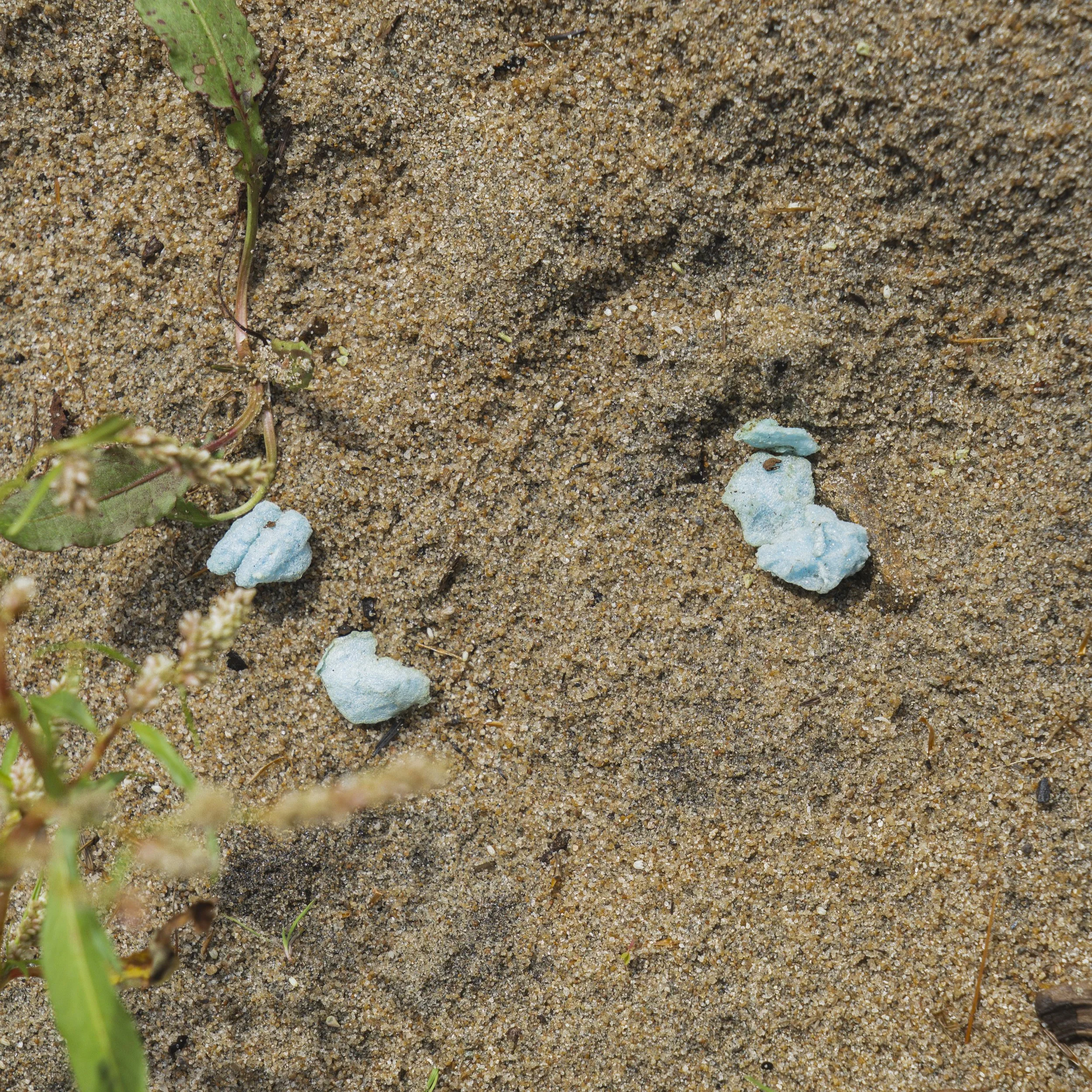
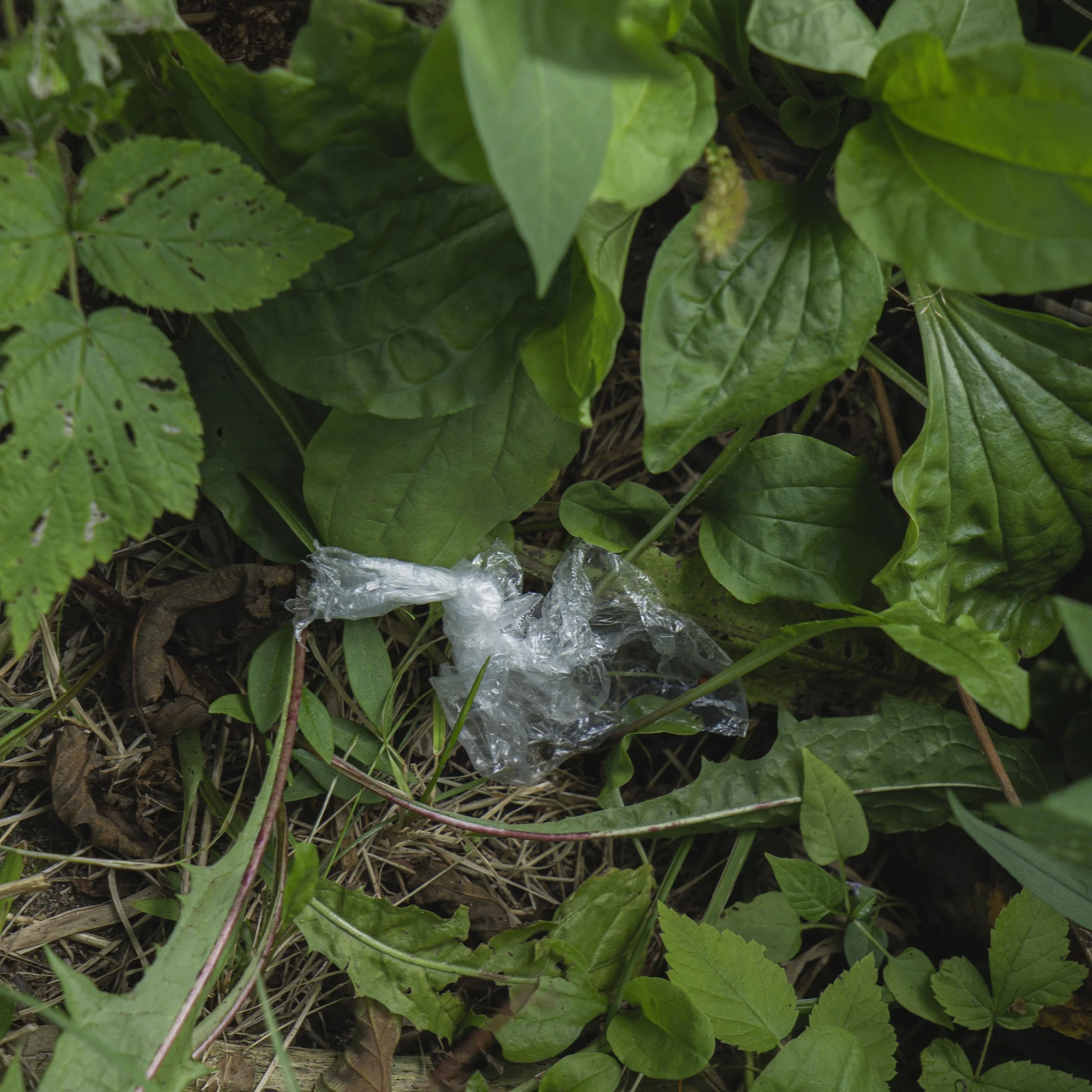
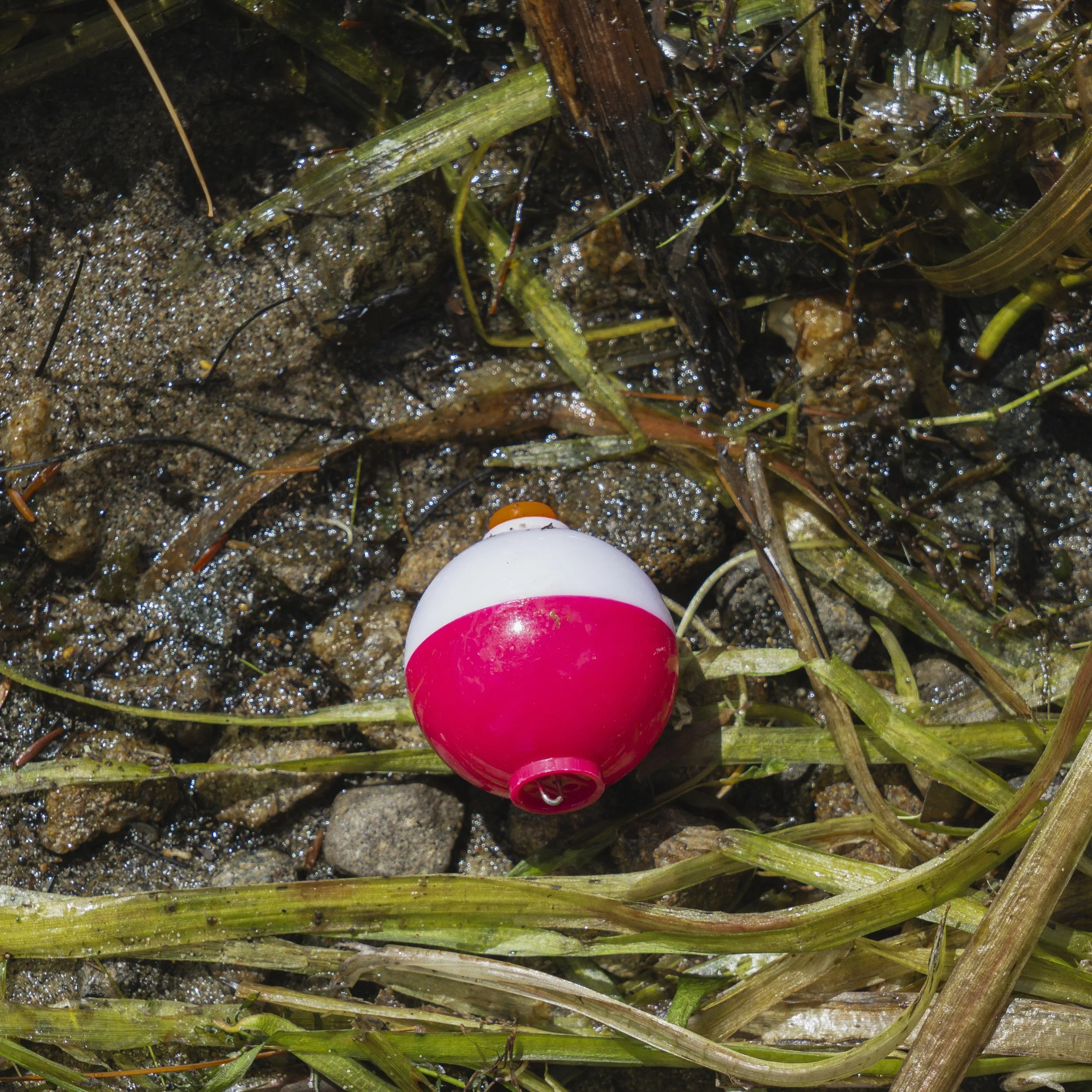
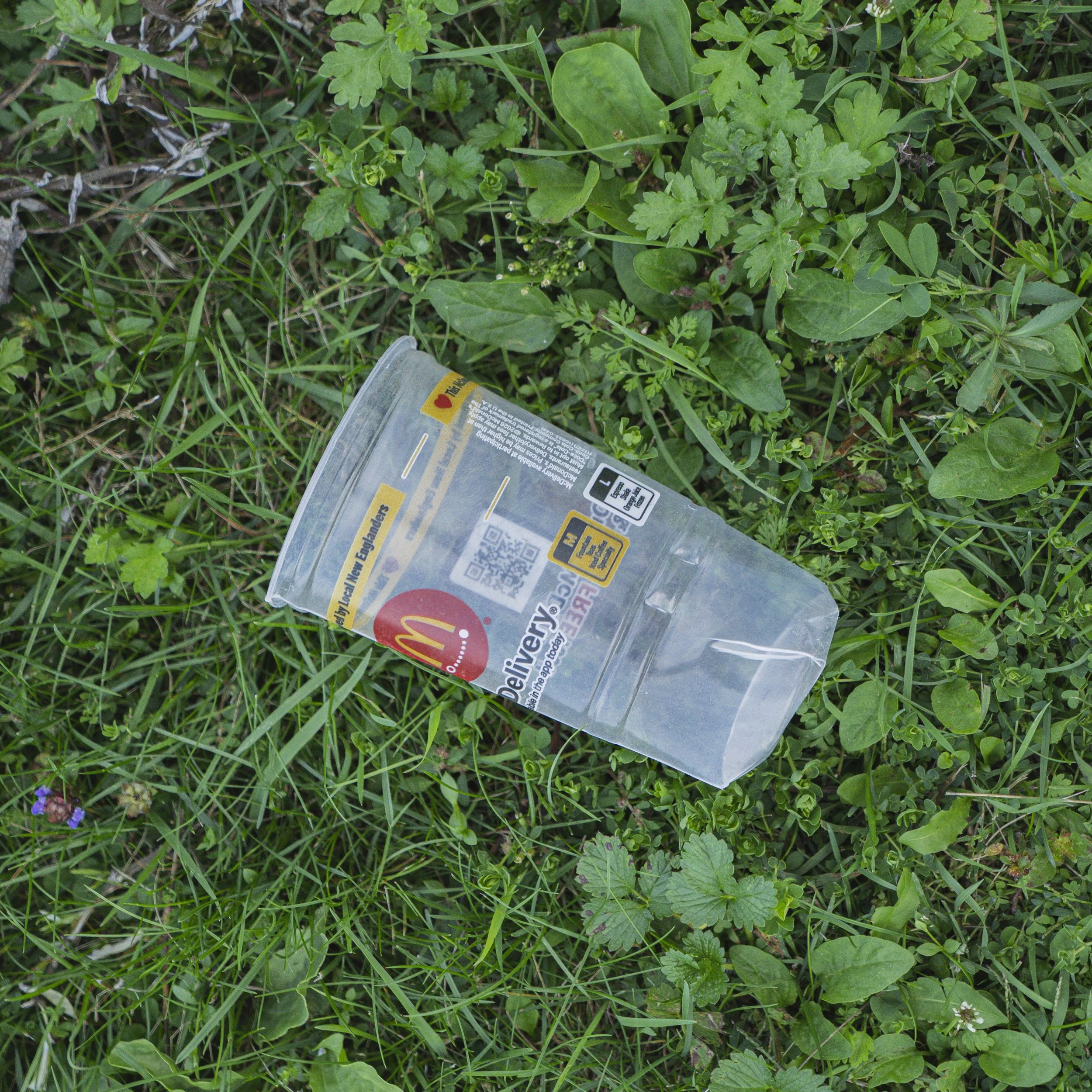
It’s an early morning on a lake in the Adirondacks. From the comfort of your canoe or kayak, you are watching the drifting fog over the glass-like surface, glowing in the light of the rising sun. Using your binoculars, you observe a common loon cut through the still water, periodically dipping its bill beneath as it searches for a morning meal.
This idyllic scene is one that many who live and recreate in the Adirondacks know well. It's likely one of the reasons many people love this place enough to call it home, or to visit year after year. It is easy to see this moment as one of nature at its purest – the water, the fog, the sunlight, the forests along the banks, the loon.
Increasingly, researchers are coming to understand that there is more to this scene. There is another material, a human-made one, that is pervasive and permeating everything we see. Sometimes it's incredibly visible. The boat you are sitting in, the shoes you are wearing, the binoculars in your hands, even the fibers in your sun shirt are all largely made of a material that has become all too familiar: plastic. And increasingly, that material is even in the nature we seek to immerse ourselves in: plastic is all around us.
A Landscape of Plastic
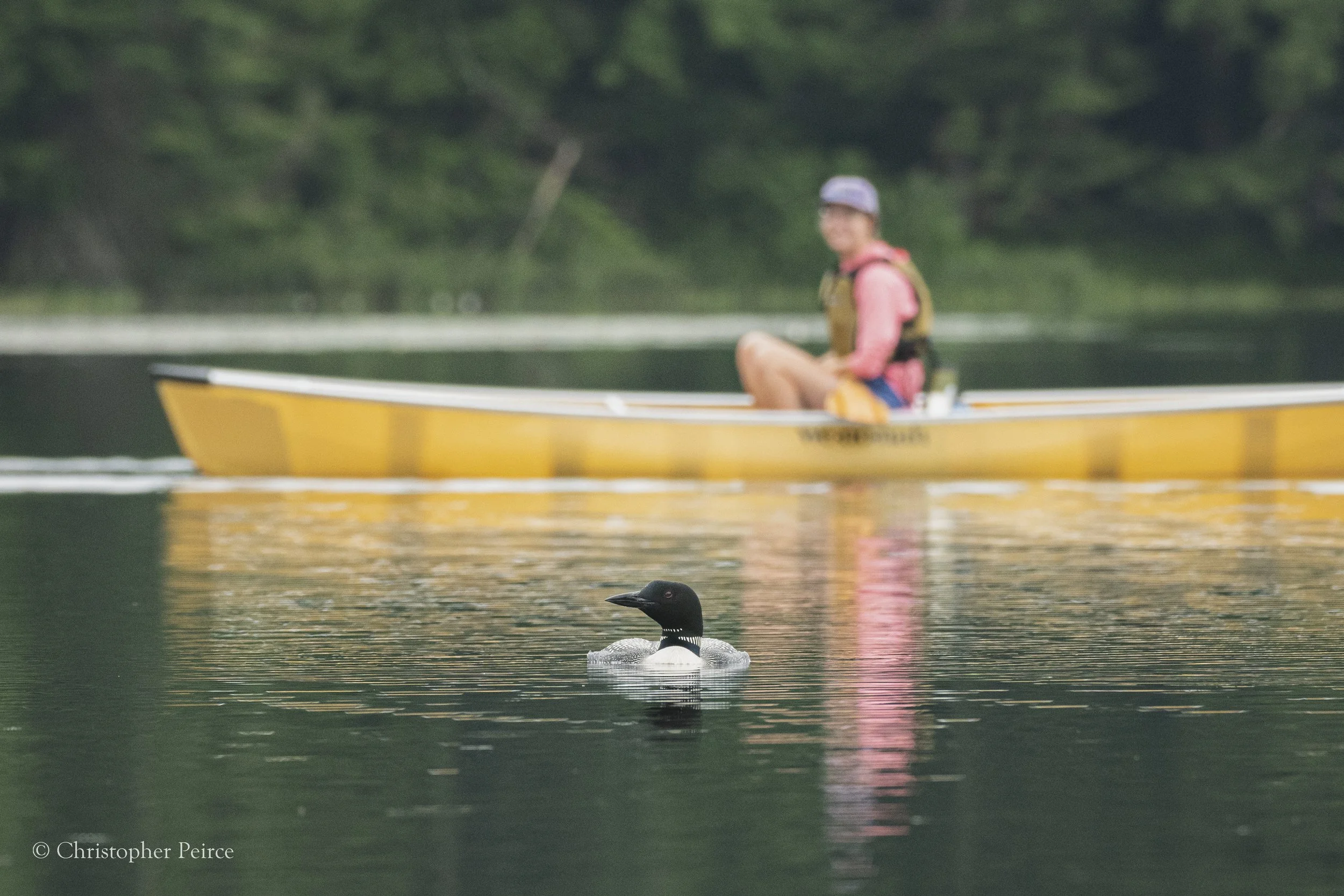
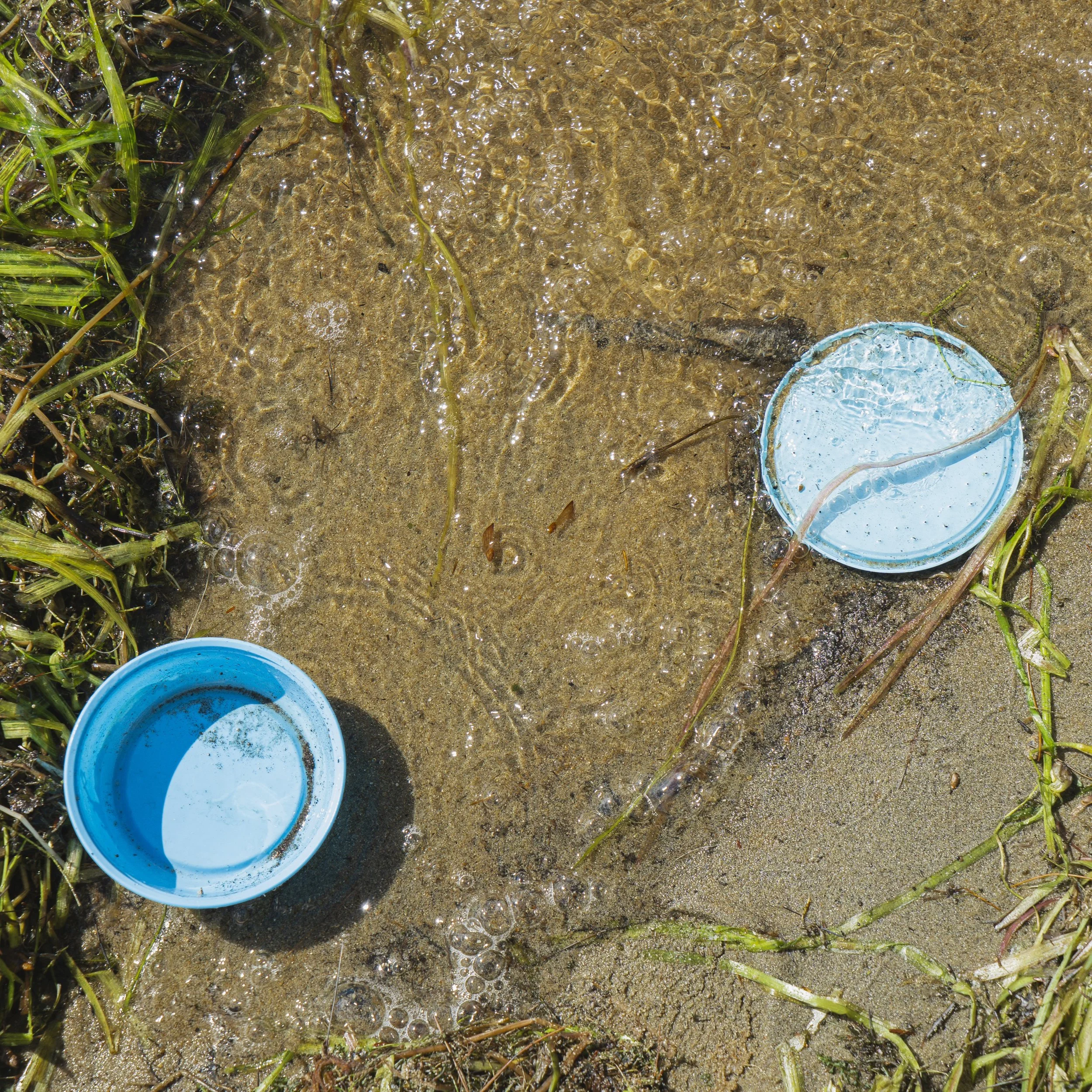
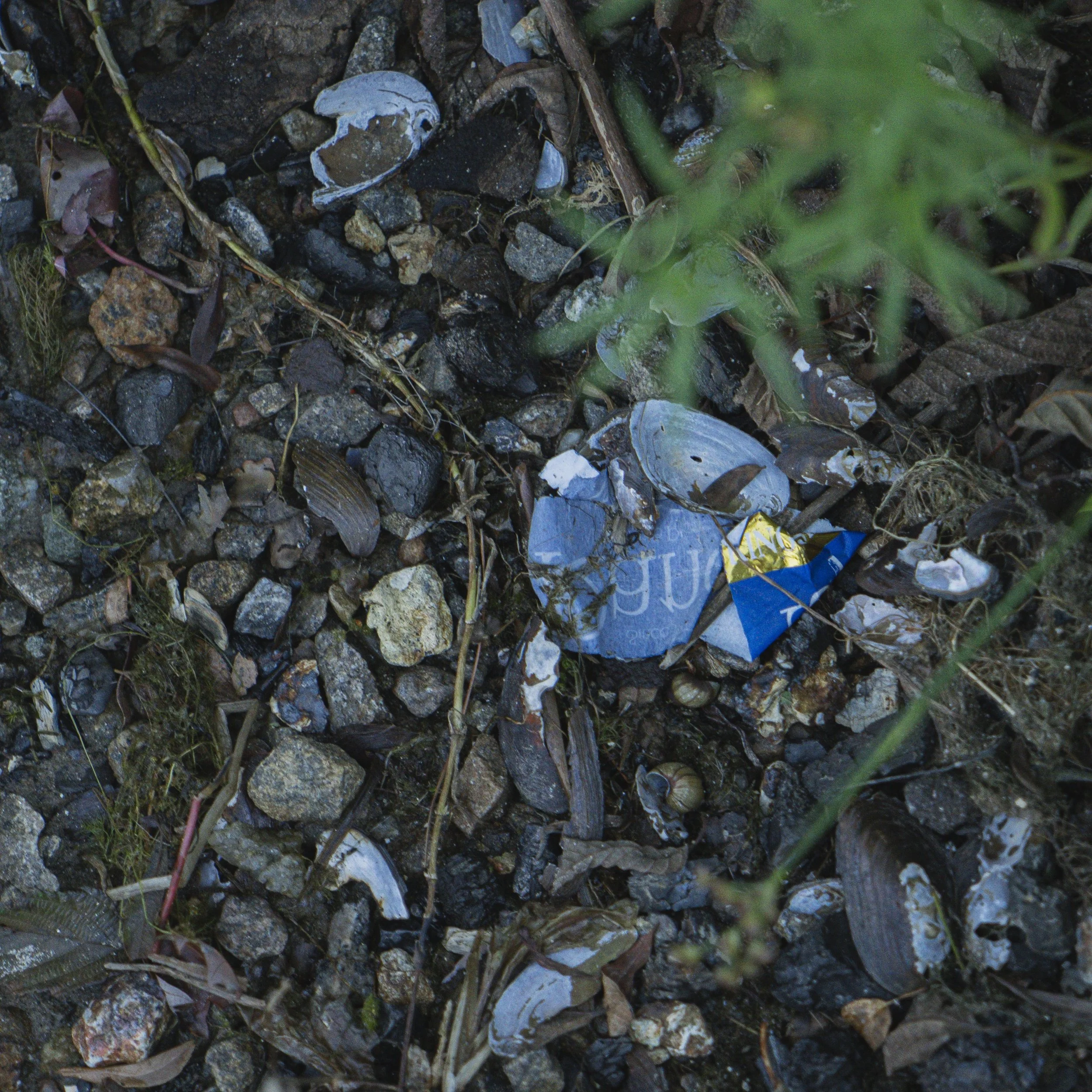
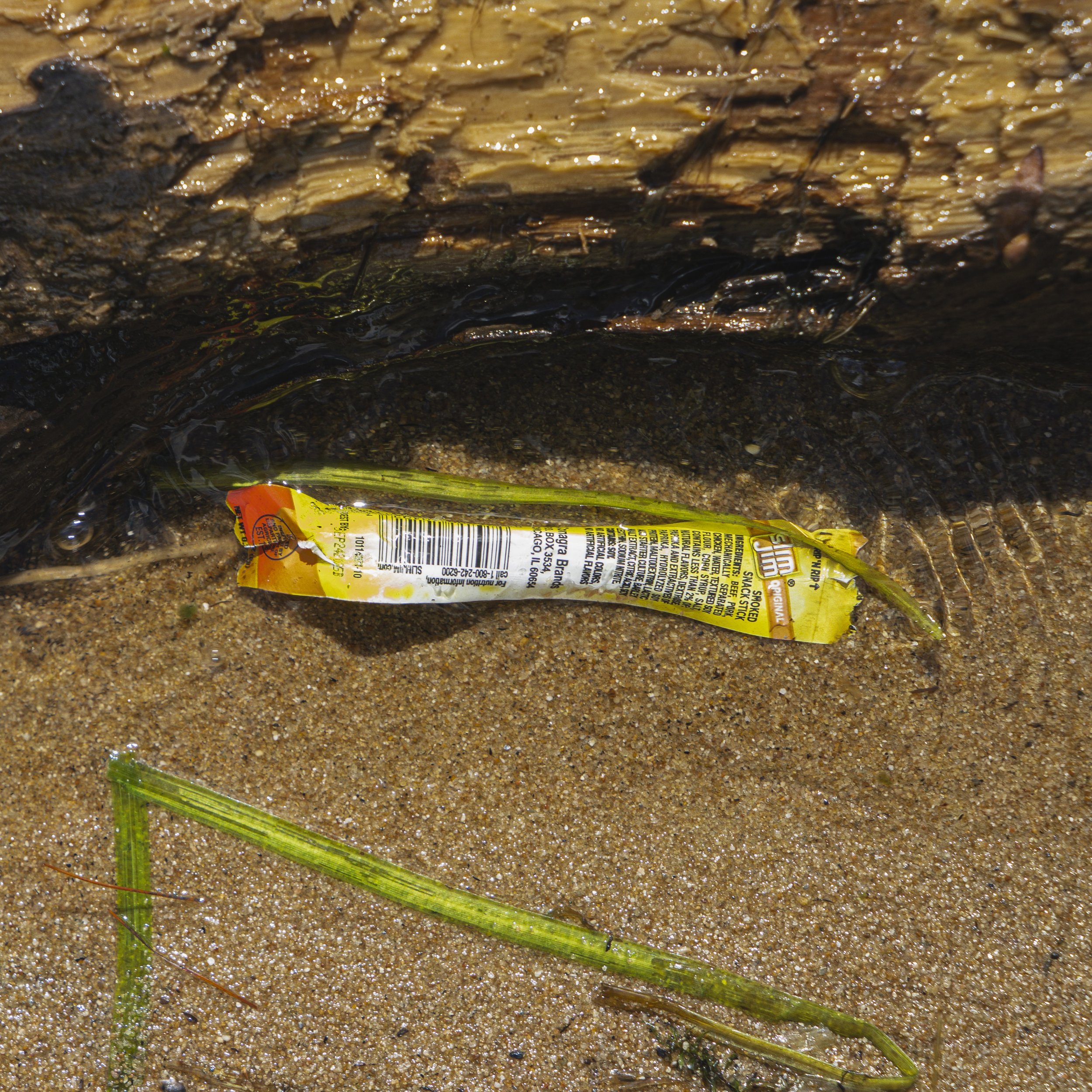
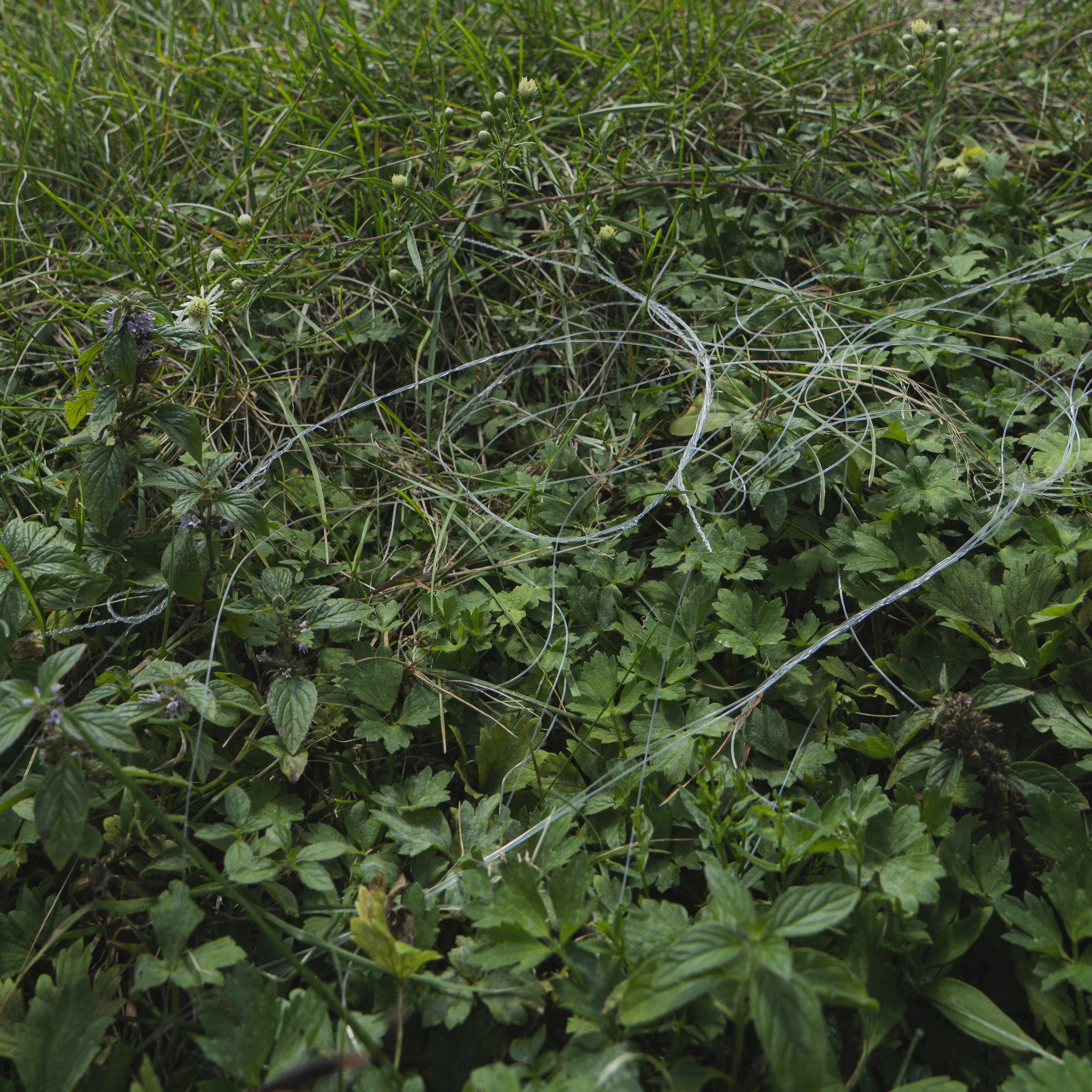
Even when you can’t see it, plastic is everywhere, permeating soil, water and even biological bodies.
Plastic, specifically microplastics that are invisible to the naked eye, are turning up in our water, our soil, the fibers of plants and, yes, even the bodies of loons. Plastic doesn't break down in nature. It doesn't biodegrade. But the pieces do get smaller, and the world around us is quickly becoming one where plastic is everywhere.
Research biologists at the Adirondack Center for Loon Conservation (ACLC) and partners at Biodiversity Research Institute, Wildlife Conservation Society, and Calvin University have been sampling feathers and blood from common loons since 1998 to test for mercury. Because loons are top predators in their ecosystems, any pollutants or toxins within that ecosystem become concentrated in their bodies, making them excellent biological indicators of pollution in freshwater lakes. While this foundational research into mercury in Adirondack lakes will continue to be a focus of ACLC’s efforts, the Loon Center’s biologists are increasingly interested in what loons can show us about the presence of other pollutants, including PFAS, or forever chemicals, and microplastics.
Long-term human reliance on plastic products has made plastic particles of all shapes and sizes, including those only visible by microscope, ubiquitous. Studies have even shown the smallest particles to be capable of crossing cell membranes, moving through the gut lining, and crossing the blood-brain barrier. Plastic in some form is now everywhere on earth, including the Adirondacks, and that's not good for the earth, or people, or loons, or any living thing.
Plastic in the Headwaters
Joe Dadey of Saranac Lake's Adirondack Hamlets to Huts helped lead a project that proved there are microplastics in even the most remote water sources. Dadey is a wealth of backcountry and environmental knowledge. From behind his desk, surrounded by a plethora of maps and guidebooks, it's clear he has seen and done it all.
In 2023, he led an experiential learning expedition with students, navigating the length of the Hudson River beginning at Lake Tear of the Clouds on Mt. Marcy. On the way down, the group collected samples at 20 locations to test water quality. Ten of these focused on microplastics. They assumed Lake Tear would be the cleanest of the sample sites because it is so remote.
Instead, Dadey confirmed: "We found out that, yeah, there are microplastics in Lake Tear of the Clouds."

On an experiential learning expedition with students in 2023 that included sampling water sources along the length of the Hudson River, Joe Dadey assumed the headwaters at Lake Tear of the Clouds would be the most pristine.
At first Dadey thought microplastic deposition in the lake was airborne. After all, it's remote and isolated from developed areas. Any water draining into Lake Tear comes from sources above roads and houses meaning that tire dust and other pollutants aren't being washed down into it.
Dadey wanted more information. Last summer he returned and sampled on Mt. Marcy again.
"We bushwhacked to Moss Pond, which as the crow flies is less than a mile from Lake Tear, but it's a serious bushwhack,” Dadey said. “There are no trails. It's in the middle of nowhere."
The tests showed almost no presence of microplastics in Moss Pond when compared to Lake Tear.
"If it was mostly windborne, you would expect to see somewhat equal depositions, equal density, equal presence of microplastics. They're less than a mile apart," Dadey explained.
Based on these findings, his new hypothesis is that microplastic deposition in Lake Tear has much more to do with hiker presence. Things like trail running shoes with softer soles, synthetic clothing items, and the breakdown of litter are all potential contributing factors.
Plastic in Wastewater
Researchers know that one of the most common ways microplastics move into lakes and streams is through wastewater. Clothing fibers detached during wash cycles easily find their way to treatment plants. When treated water is returned to its watershed, these plastic fibers are along for the ride.
Dave Lewis is the chief operator at the Saranac Lake Wastewater Plant. According to him, updates in 1992 and 2023 have kept the plant well within state and national compliance standards. There are a plethora of steps in place to clean and treat water before it returns to the Saranac River. Specific systems ensure that things continue to run smoothly. Aging infrastructure is set to be replaced in 2028 with a new focus on removing PFAS/PFOAs, which include a wide range of substances also called forever chemicals because they don't break down and can build up in the body over time causing serious health issues. The update will go a long way toward increasing the capabilities of the plant. However, it's not intended to address the issue of microplastics.
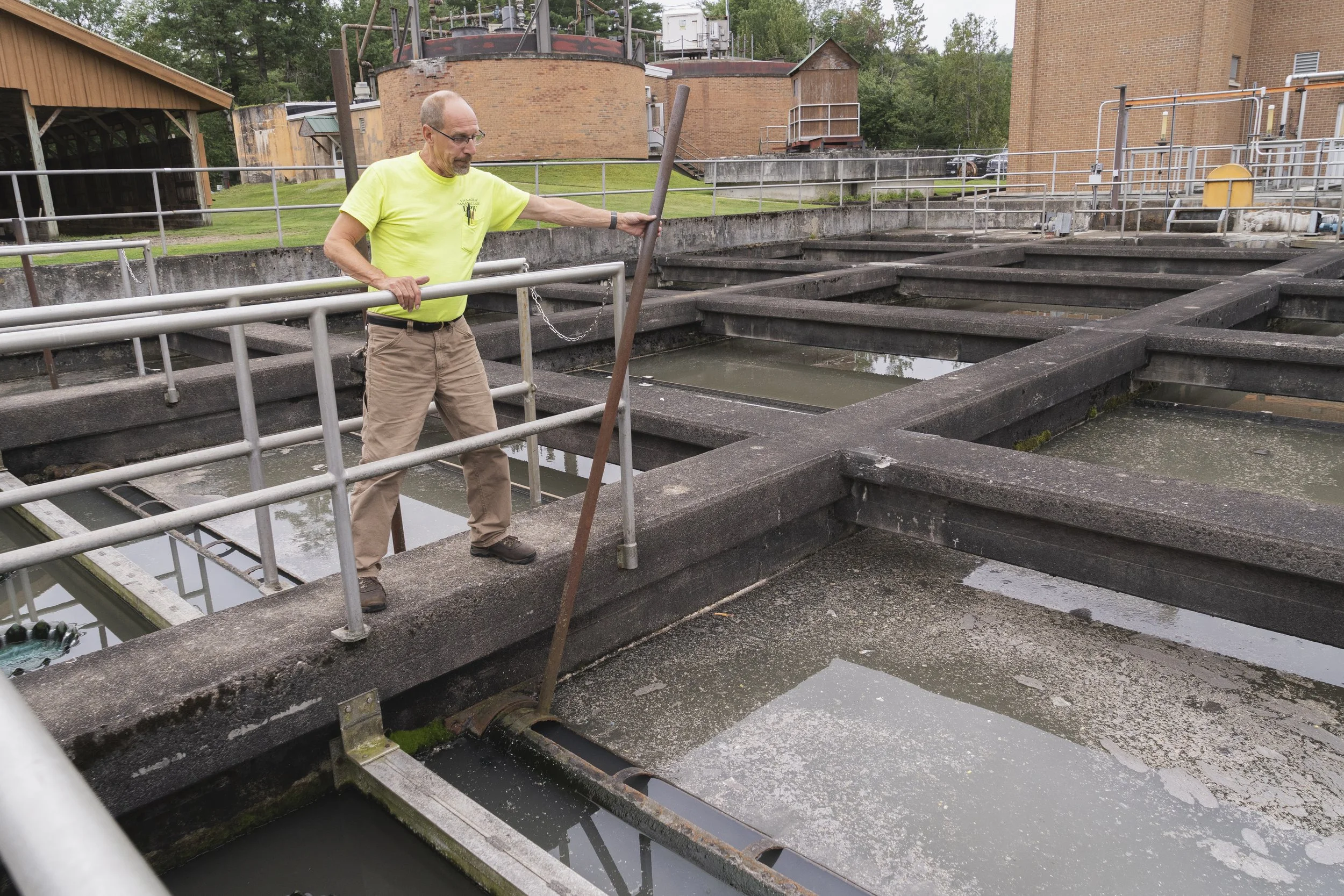
Dave Lewis, chief operator at the Saranac Lake Wastewater Plant, would be interested in removing microplastics from municipal water sources, but said there is no mandate or funding to do so.
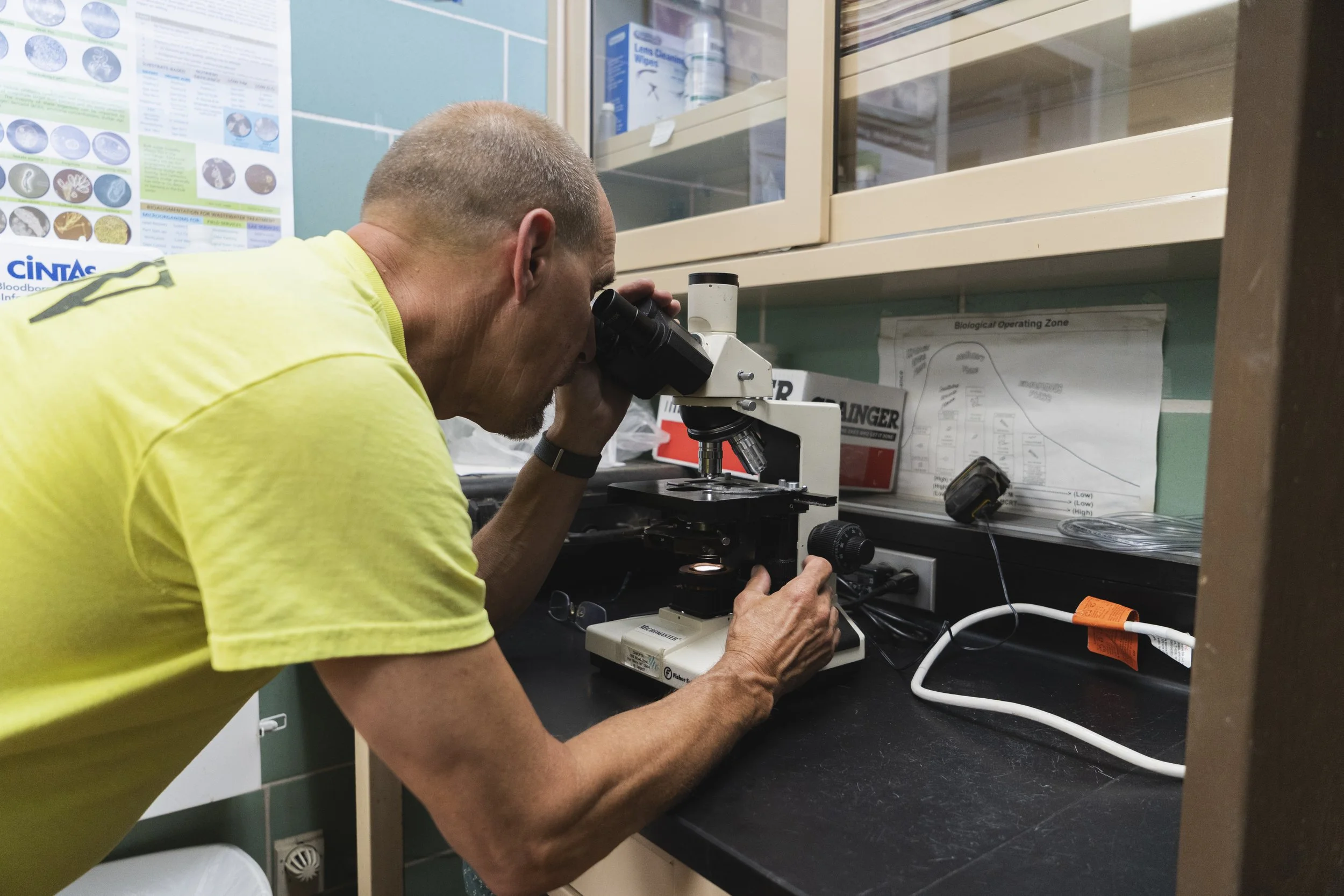
Dave Lewis examines a sample at the Saranac Lake Wastewater Plant.
"I'm interested in [removing microplastics]," said Lewis, "and I agree with it; I'd love to do it. But I have all the things I have to focus on and the updates we have do. There's no mandate for it and there's no funding for it."
Early in the process, screens remove larger plastic particles, and there are several steps for eliminating floating plastic particles that are visible to the naked eye. According to Lewis, "anything floatable or buoyant will come to the top. Anything heavier will settle down... we skim this off manually a few times a day."
Most treatment plants across the US are in a similar position. Often, there isn't sufficient funding to address more than one infrastructure problem at a time, especially in smaller towns. The result is that otherwise clean treated water can still transport microplastics into the surrounding ecosystem.
Plastic in the Food Web
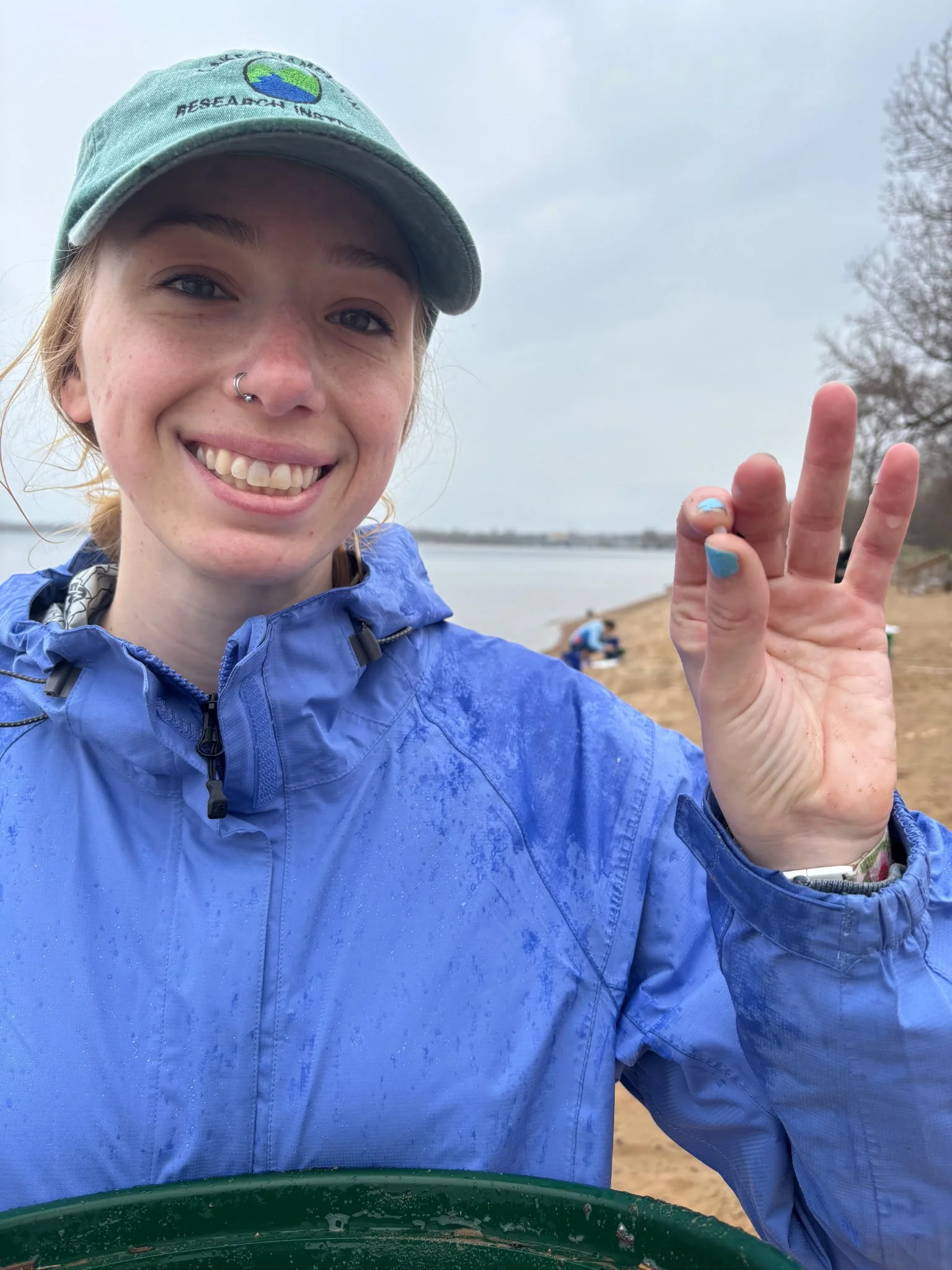
Allison Morrow studied microplastics on Lake Champlain during her graduate program at SUNY Plattsburgh. Photo provided by A. Morrow
From 2024-2025, Allison Morrow, a former SUNY Plattsburgh graduate student, focused her thesis on microplastics in Lake Champlain. While microplastics were ubiquitous across her survey area, surface area water samples utilizing an 18–20-inch net revealed higher concentrations closer to wastewater treatment plants. In total, sampling found 1800 individual microplastics across the 15 sample sites, with the highest concentrations averaging 140 – 160 microplastics per square meter.
She also sampled 15 fish species specifically looking at microplastic presence in the digestive tract. All species contained microplastics. The fibers she found were below 0.5 microns in size, making them invisible to the naked eye. Such small sizes can be transported from the stomach of a fish into the tissue and bloodstream, although health impacts are currently still unclear. Of the 103 individual fish that were sampled, freshwater drum, also known as sheepshead, had the highest concentrations, averaging 51 microplastics per fish. Overall, 2800 microplastic particles were found across all fish sampled. Morrow’s samples contained an overwhelming amount of synthetic fabric fibers relative to other plastic types.
A 2018 study by SUNY Plattsburgh Environmental Science professor Danielle Garneau and her students on microplastics in Lake Champlain showed the presence of microplastics in organisms at all levels of the food chain. The study found an average of 0.21 microplastics in individual invertebrates, 4.45 in fish, and 19.2 in cormorants. Like loons, cormorants are diving, fish-eating birds, on average consuming one and a half pounds of fish each day. Like loons, they also have a gizzard to grind down food and aid in digestion. It's likely, then, that the type of microplastic biomagnification happening in cormorants is also happening in loons.
The article "'Plasticosis': Characterizing macro- and microplastic-associated fibrosis in seabird tissues," published in the Journal of Hazardous Materials details evidence for "a new plastic-induced fibrotic disease, 'Plasticosis'" in seabirds based on a study on shearwater fledglings (Charlton-Howard et al. 2023). Analysis found significant formation of organ scar tissue caused by exposure to plastic.
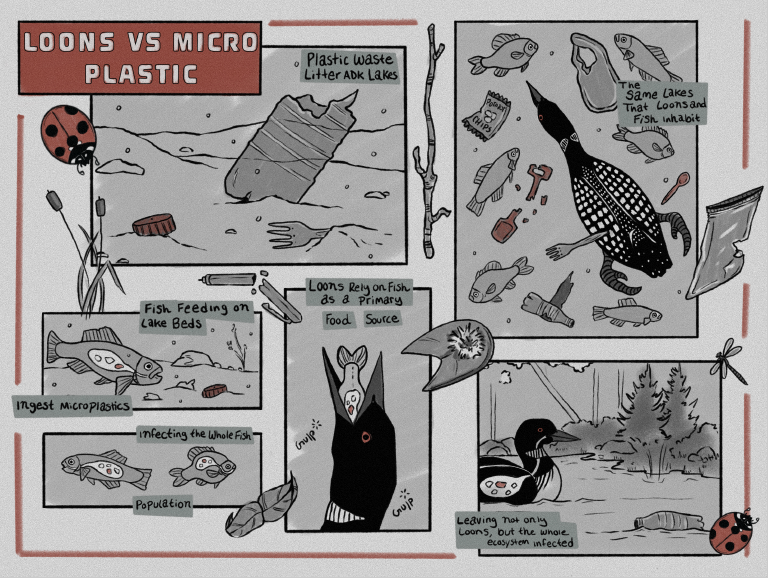
Microplastics accumulate in the bodies of fish and other wildlife much the way mercury accumulates and magnifies over time. Illustration by Sandy Harrison
"This study clearly demonstrates the ability of plastic to directly induce severe, organ-wide scar tissue formation or ‘plasticosis’ in wild, free-living animals, which is likely to be detrimental to individual health and survival,” stated the authors of “Plasticosis.” The study asserts that plastic ingestion "has led to potentially irreversible changes in tissue structure and function, which has been previously unrecorded."
One consequence of scar tissue formation is a reduction in stomach and organ elasticity, meaning birds have a harder time eating effectively. Scar tissue also disrupts blood flow, which can lead to organ failure. These findings are concerning for loons (and all birds) that utilize a gizzard to grind food items for digestion. This process can break plastic particles down into ever smaller sizes, allowing them to spread throughout the body.
Plastic in Loons
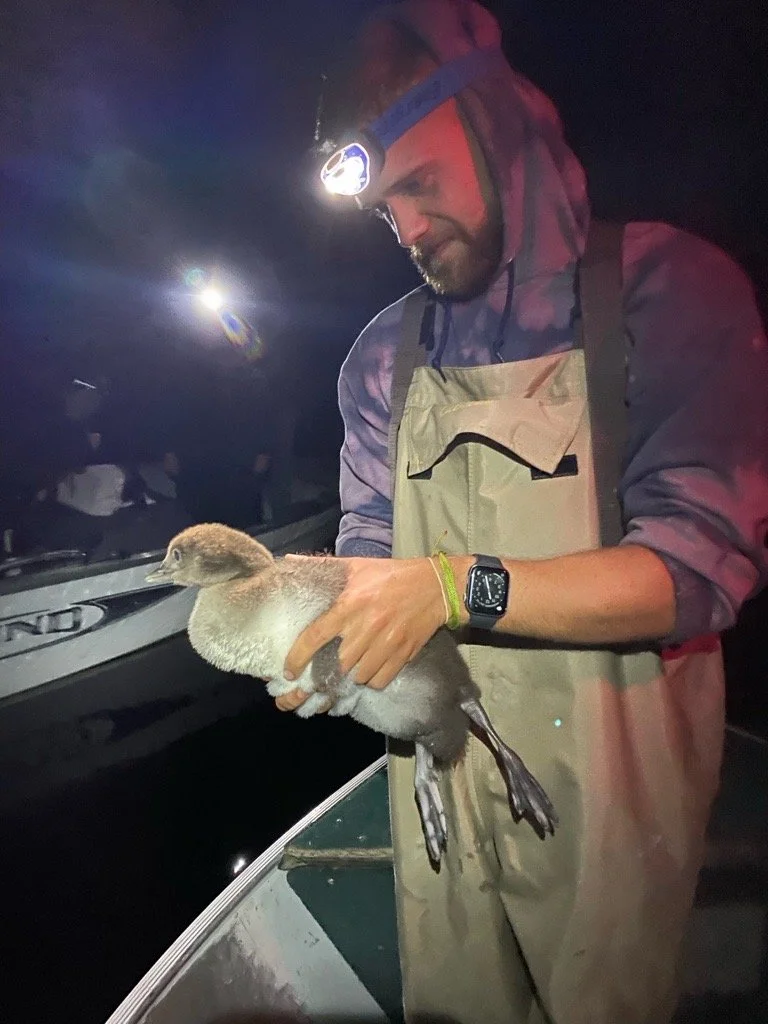
Biologist Tom Hilling studies the impacts of microplastic ingestion on common loons. Photo provided by T. Hilling
An adult loon will eat about two pounds of fish per day. More research is needed, but it's likely microplastics are biomagnified the higher they move up the food chain, just like mercury. Put simply, if a loon eats ten fish in a day, and each of those fish contains 20 microplastics, there are now 200 microplastics in that loon's digestive tract.
In 2025, biologist and ecologist Tom Hilling published a study on plastic ingestion in loons in the northeast. According to necropsy data from 2011 to 2022, his study found 106 loons that had ingested microplastics.
Additionally, he analyzed the stomach and intestinal contents of 55 loons collected from 2020 – 2022. The work was complex and tedious, involving heat and a chemical process to dissolve organic intestinal contents, leaving only inorganic items, like microplastics, behind. Using specialized nano pure water and filter paper, Hilling was able to collect the microplastic contents and count them under a microscope.
"I think that what was alarming was that every loon that I surveyed had microplastics in it,” Hilling said. “It usually wasn't just a couple fibers. It was usually dozens, if not more than 100 fibers."
While he did not analyze what microplastics were doing to the loons internally, he cited other research on their potential for harm. "Larger microplastics and macroplastics are corrosive or they're damaging the intestinal tract," he said. "They're also seeing that these microplastics can pass through cell membranes, so that can lead to cell death or just other physiological changes."
Just like in Dadey and Morrow's studies, Tom's microplastic findings were dominated by clothing fibers.

Do loons in the Adirondacks have microplastics in their bodies? Based on research conducted elsewhere and the presence of microplastics discovered in Adirondack water sources, it is very likely. ACLC researchers are actively seeking funding to pursue this line of research into if and how microplastics may be impacting loons in the Adirondacks.
Where do we go from here?
Unfortunately, plastic as a material we rely on isn’t going anywhere soon. In 2020, the production rate of plastic globally was 245 times higher than in 1950, and from 1950 to 2017, 9.2 billion tons of plastic were produced. There is more synthetic material in the world today than at any other time in history, and numbers are only projected to climb in the foreseeable future.
For Adirondack loons, more time and study on both the accumulation of microplastics and their physiological effects is needed. However, based on the presence of microplastics in loons in New England and the northeast generally, it seems safe to surmise that Adirondack loons have been impacted as well.
What steps can individuals take to reducing microplastics in their every day lives? Like so many environmental threats, reducing microplastics on a large scale is a society-wide effort. Because a primary source of microplastics is clothing fibers, individuals can seek to purchase natural fabric alternatives for clothing like wool, cotton, hemp, and alpaca and to utilize washing bags to help prevent microplastic fibers from ending up in wastewater during washing cycles.
ACLC researchers are actively seeking funding to expand our local understanding of how microplastics are impacting loons and, by extension, the health of all wildlife and humans as well. If you would like to support ACLC’s research efforts, you can donate online.